


MĒS STRĀDĀJAM JUMS!
Esam vienīgais nozares uzņēmums Latvijā, kurš nodrošina pilnu klientu apkalpošanas ciklu - risinājumu izvēli, iekārtu piegādi, iekārtu uzstatīšanu, ieregulēšanu un to apkalpošanu.
AxFlow ir industriālo šķidrumu kontroles un uzskaites sistēmu un to komponenšu vadošais piegādātājs Latvijā. Izgatavojam unikālas mērīšanas un sajaukšanas moduļveida iekārtas un līmeņa uzraudzības sistēmas. Piemeklēsim jūsu procesam pasaules vadošo ražotāju rūpnieciskos sūkņus, iekraušanas ierīces un vārstus.
NOV: Jaunā Scion produktu līnija
NOV iepazīstina ar jaunajiem Scion produktu līnijas ekscentriskās skrūves sūkņiem
Vairāk informācijas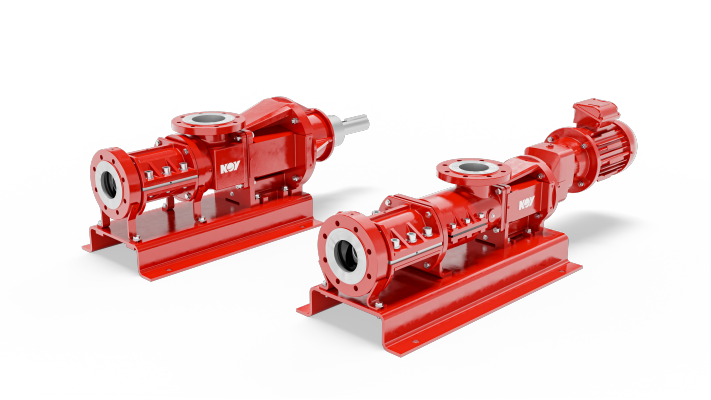
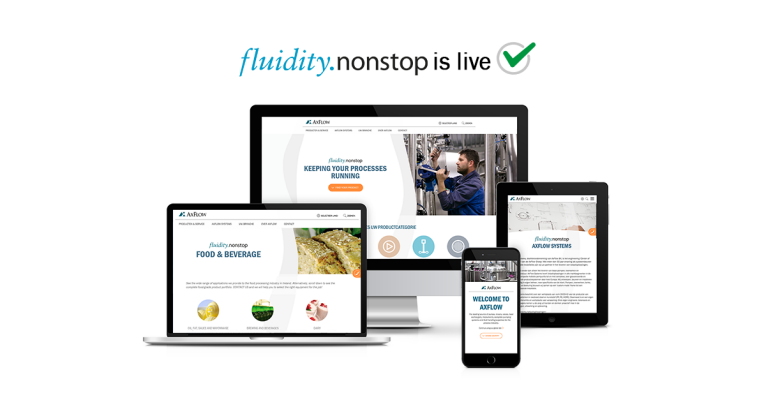
Pumptechnique kļūst par AxFlow
Vairāk informācijasWaukesha Universal 2 ND rūpnieciskiem pielietojumiem
Vai jums ir nepieciešams uzticams un augstas veiktspējas rotorsūknis rūpnieciskiem pielietojumiem?
Vairāk informācijas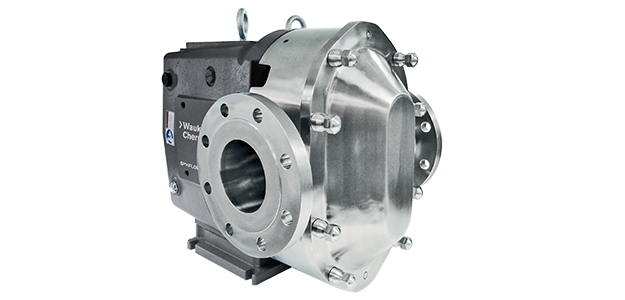
Plākšņu siltummaiņu remonts
Uzziniet, kā jūs varat palielināt savu plākšņu siltummaiņu darbības laiku un kā mūsu servisa un remonta stratēģija atbilst aprites ekonomikas principiem.
Uz stāstu
MŪSU DARBI
Vairāk informācijas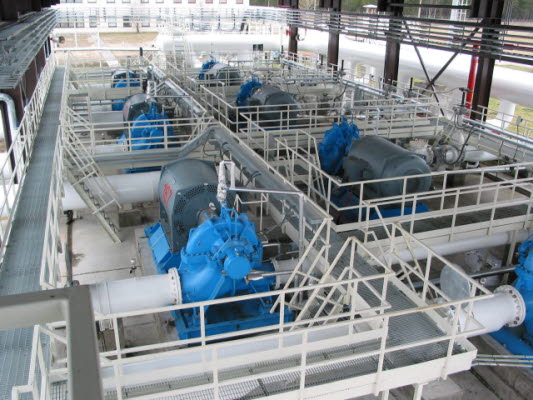
MID SERTIFICĒTA METANOLA PĀRKRAUŠANAS IEKĀRTA
Vairāk informācijas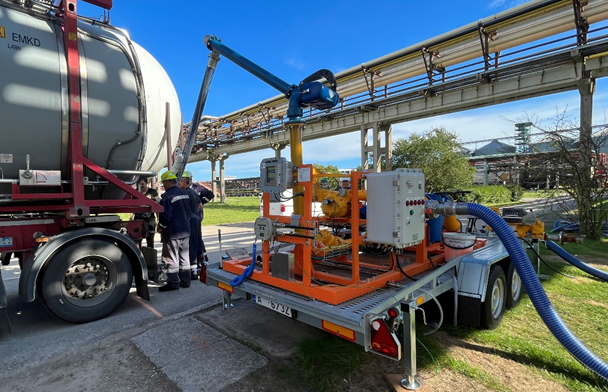
FLOWSERVE CENTRBĒDZES SŪKŅU STĀVOKĻA UZRAUDZĪBAS SISTĒMA
Vairāk informācijas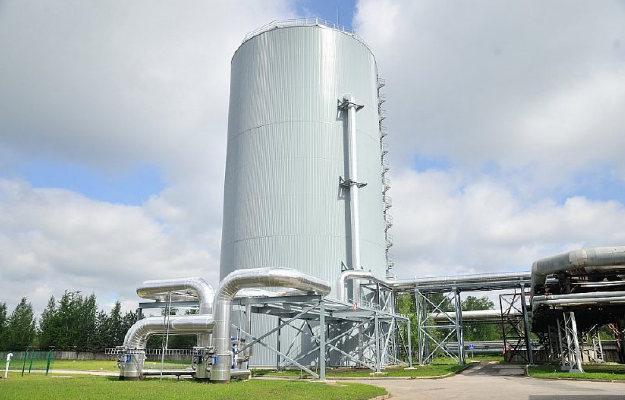
Autouzpildes sistēmas automatizācija Aizkraukles naftas bāzē
Vairāk informācijas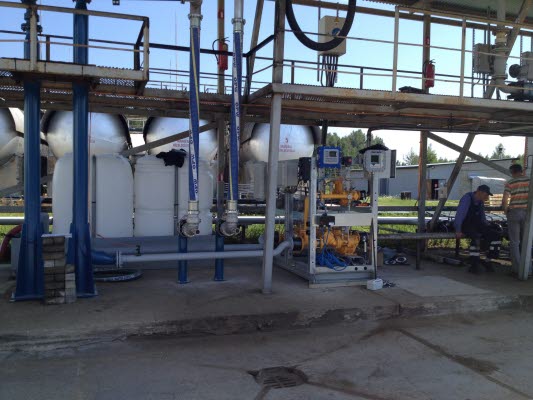
APV iekārtas pārtikas rūpniecībai
Vairāk informācijas
DEGVIELAS SAJAUKŠANA, KVALITĀTES UZLABOŠANA, MARĶĒŠANA AR PLŪSMAS METODI – PĀRKRAUŠANAS LAIKĀ
Efektīva naftas termināļa būtība ir naftas produktu pieņemšana, uzglabāšana un iekraušana tālākai transportēšanai – autocisternās, dzelzceļa cisternās vai tankeros. Efektīvu mūsdienīga termināļa...
Vairāk informācijas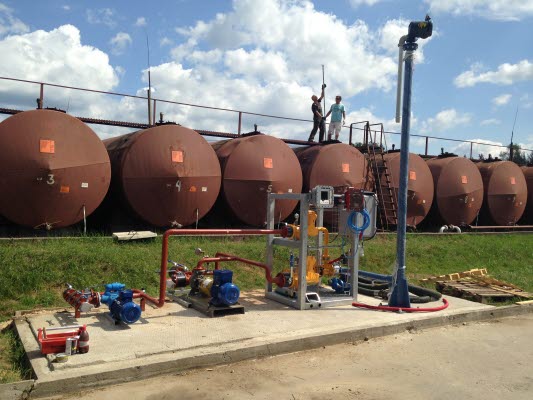
Ugunsdzēsības sūkņa agregāta piegāde
Vairāk par projektu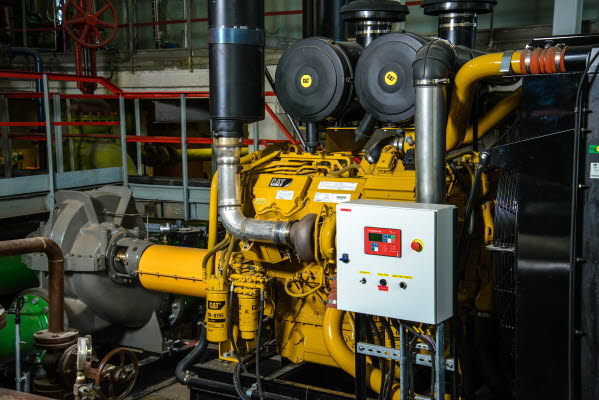
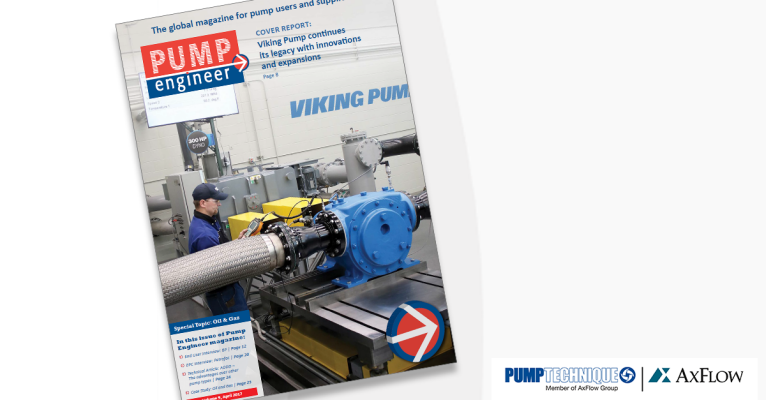
Kompānija "Viking Pump" ar savu publikāciju iekļuvuši žurnāla "Pump Engineer" pirmajā lapā!
Kompānija "Viking Pump" ar savu publikāciju iekļuvuši žurnāla "Pump Engineer" pirmajā lapā! Lasiet rakstu par viņu nākotnes attīstības plāniem un investīcijām inovācijās šeit:
Vairak par publikaciju