


Palaikome jūsų procesus
Mes esame pirmaujantis siurblių, maišytuvų, vožtuvų, šilumokaičių, homogenizatorių, kompleksinių sistemų ir skysčių valdymo komponentų tiekėjas gamybos procesams pramonėje. Siekdami išlaikyti šią poziciją, mes nuolat stengiamės, kartu su savo tiekėjais ir partneriais, rasti geriausią sprendimą jūsų procesui.








NOV: Naujoji Scion produktų linija
NOV pristato naujus Scion produktų linijos sraigtinius siurblius
Skaityti daugiau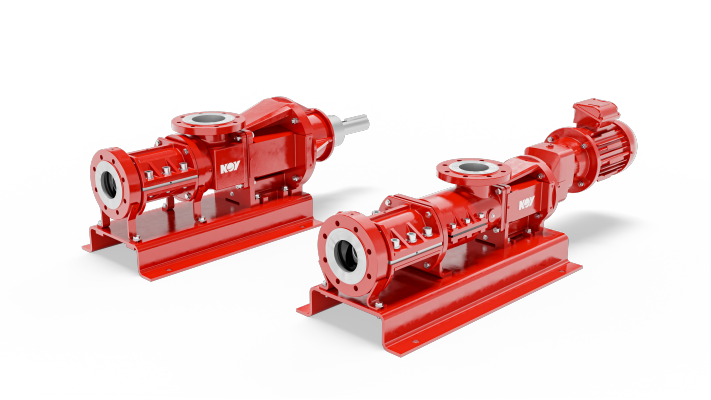
Sėkmingi pokyčiai ir žvilgsnis į ateitį
2025-aisiais UAB AxFlow atidarė Baltijos aptarnavimo centrą ir baigė prekių ženklo keitimą. Esame pasiruošę dar stipresnei partnerystei 2026-aisiais.
Žiūrėkite mūsų kalėdinę atvirutę
ĮRANKIAI INŽINERINIAMS SKAIČIAVIMAMS
Esate inžinierius, studentas ar pramonės profesionalas, ieškantis patikimų, nemokamų ir lengvai naudojamų inžinerinių skaičiuoklių bei keitiklių? Neieškokite toliau! Mūsų išsamus įrankių rinkinys...
Skaityti daugiau
„AxFlow“ ir „Grundfos“ paskelbė apie strateginį bendradarbiavimą dėl dozavimo siurblių platinimo
AxFlow didžiuojasi galėdama pranešti apie strateginę partnerystę su Grundfos, garsėjančia pažangiais dozavimo sprendimais, užtikrinančiais neprilygstamą tikslumą ir patikimumą. Jų SMART Digital...
Skaityti daugiauUAB Flow Technologies tampa AxFlow
UAB Flow Technologies tampa AxFlow – naujas pavadinimas, tas pats įsipareigojimas klientams.
Skaityti daugiauPlokštelinių šilumokaičių remontas
Sužinokite, kaip galite prailginti savo plokštelinių šilumokaičių eksploatavimo laiką ir kaip mūsų techninės priežiūros ir remonto strategija dera su žiedinės ekonomikos principais.
Skaityti daugiau
Blue-White BROŠIŪRA
Blue-White žarniniai ir diafragminiai dozavimo siurbliai yra sukurti užtikrinti aukščiausius reikalavimus, keliamus tiksliam dozavimui.
Skaityti daugiau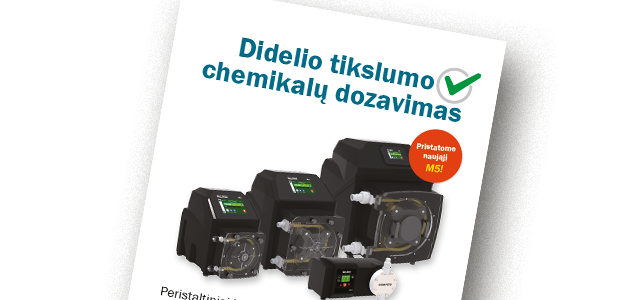
TERMINALŲ SPRENDIMAI
Brošiūros Terminalų sprendimai parsisiuntimas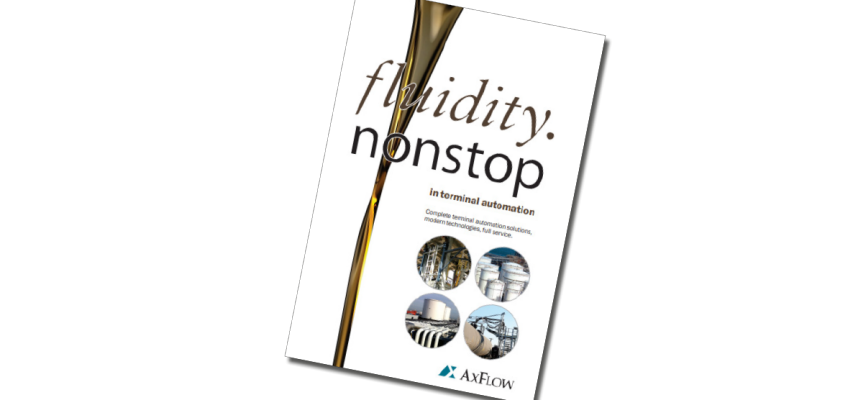
UAB Flow Technologies yra AxFlow grupės narys
2017 m. UAB Flow Technologies prisijungė prie AxFlow grupės ir dabar priklauso AxFlow Holding AB įmonių grupei.
UAB Flow Technologies yra AxFlow grupės narys
Europos centrinis sandėlis
Mūsų paskirstymo centre Lelystade, Nyderlanduose, užtikriname greitą produktų ir atsarginių dalių pristatymą visoje Europoje per 48 valandas. Didelį sandėlio pajėgumą sudaro daugiau nei 25 000...
EUROPOS CENTRINIS SANDĖLIS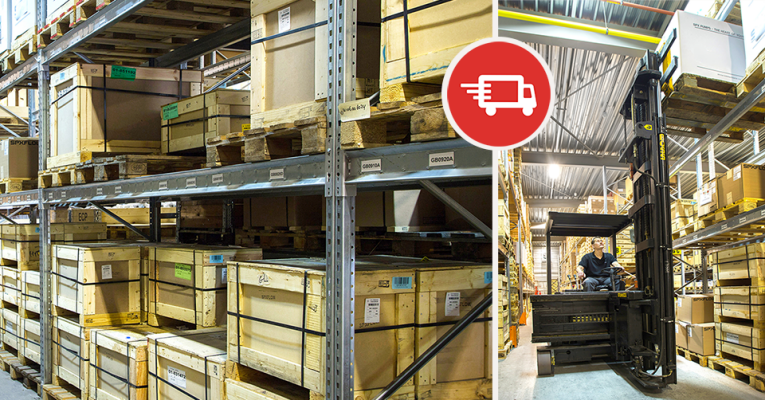
MAISTO PRODUKTAI IR GĖRIMAI
Šiais laikais maisto apdirbimo pramonė susiduria su vis didėjančiais iššūkiais: į vis griežtesnes ribas patenkančių kokybiškų produktų gamyba, vis griežtesnių teisinių reikalavimų įvykdymu ir...
MAISTO PRODUKTAI IR GĖRIMAI
CHEMIJA
Daugybei chemijos pramonėje vykstančių darbų ir procesų reikia tiksliai pagamintų siurblių ir matavimo sistemų, kurios pumpuoja, matuoja ir dozuoja didelės vertės skysčius ir kietas medžiagas...
CHEMIJA