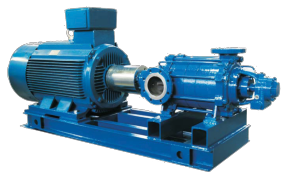
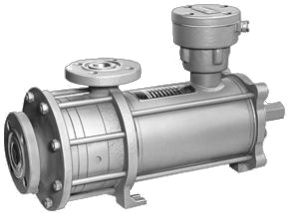
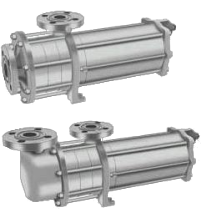
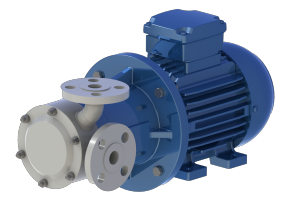
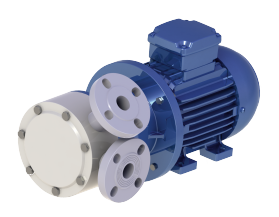
Multi-stage centrifugal pumps
High-pressure multi-stage centrifugal pumps for boosting, boiler feed, RO/desalination and long-run transfer. Efficient, reliable solutions with expert sizing support.

Multi-stage centrifugal pumps are designed for applications that demand higher pressures than a single impeller can economically deliver. By arranging two or more impellers (“stages”) in series, the pump adds head at each stage while maintaining a stable flow rate. The result is a compact, efficient solution for moving clean or lightly contaminated liquids where high head, long runs, or pressure boosting are required.
Whether installed horizontally or vertically, multi-stage pumps are a proven choice in process industries, utilities, and building services where reliability and energy performance matter.
How Multi-Stage centrifugal Pumps Work
A multi-stage centrifugal pump uses multiple impellers mounted on a single shaft. Each impeller increases the fluid pressure before passing it to the next stage.
- Flow stays roughly constant through the stages.
- Head increases stage by stage, giving much higher total pressure.
- Designs may be ring-section, diffuser, or segmental, depending on duty and service conditions.
This architecture allows multi-stage pumps to reach high heads efficiently without excessive impeller diameter or motor size.
Key Benefits of multi-stage centrifugal pumps
High head capability
Ideal for pressure boosting, long pipeline transfer, and high-lift services.
Excellent energy efficiency
Multiple smaller impellers typically operate closer to BEP, reducing energy waste.
Stable performance
Series staging smooths hydraulic loading, giving consistent pressure and flow.
Compact footprint
Delivers high pressure without the bulk of large single-stage designs.
Reliability for continuous operation
Engineered for long-run duties with robust bearings, shaft designs, and seal options.
Typical Applications for multi-stage centrifugal pumps
Multi-stage centrifugal pumps are widely used anywhere high pressure and dependable flow are needed, including:
- Boiler feed and condensate return
- Reverse osmosis (RO) and desalination
- Pressure boosting in water networks
- Mine dewatering and high-lift drainage
- High-pressure cleaning and washdown systems
- Cooling water circulation with long pipe runs
- Process transfer requiring elevated discharge pressure
- Firefighting and sprinkler boosting
- Irrigation and high-head distribution
Design & Material Options
Because multi-stage pumps serve many industries, they are available in a wide range of configurations:
Orientations
- Horizontal multi-stage: common for industrial transfer and boosting
- Vertical multi-stage (inline or canister): space-saving, great for building services and RO
Hydraulics
- High-efficiency impeller/diffuser sets
- Optimised for lower NPSHr where suction conditions are tight
- Optional wear rings for sustained efficiency over time
Materials
- Cast iron / ductile iron for water and neutral fluids
- Stainless steel for hygienic, clean, or mildly corrosive liquids
- Duplex / super duplex / high-alloy builds for aggressive or high-chloride duties
- Elastomers and seals selected to match temperature and chemistry
What to Consider When Selecting a Multi-Stage Pump
A correct selection ensures maximum life and performance:
-
Duty point
- Required flow (m³/h)
- Total dynamic head (m)
- Pressure margin for system variability
- Fluid characteristics
- Temperature
- Viscosity
- Solids content (multi-stage pumps are usually best for clean or lightly contaminated liquids)
- Chemical compatibility
- Suction conditions / NPSH
- Available NPSH and submergence
- Avoiding cavitation at high-head duties is critical
-
Operating profile
- Continuous vs intermittent
- Expected starts/hour
- Minimum flow requirements
-
Mechanical and compliance needs
- Seal plans for process duties
- ATEX or hazardous area ratings where required
- API/ISO standards if specified by your site
Serviceability & Lifecycle Value
Multi-stage pumps are engineered for long-term efficiency and reliability. Key features often include:
- Cartridge seal options for faster maintenance
- Balance devices (drums/discs) to manage axial thrust
- Replaceable wear components to restore performance
- Condition monitoring readiness for critical duties
With the right materials and operation near BEP, multi-stage pumps offer low total cost of ownership over decades of service.
AxFlow UK offers several different types of multistage centrifugal pumps including traditional horizontal and vertical boiler feed models and high specification canned pumps.
In some situations peripheral turbine pumps can offer a better solution to multistage centrifugal pumps. If you require help or advice in your selection, please contact out UK based team.