

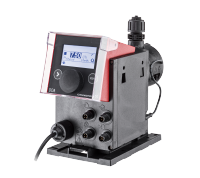
Metering Pumps are precision instruments used to feed accurately a predetermined volume of liquid into a process or system




Metering Pumps
22 series from 6 manufacturers
-
- Abrasive Liquids
- Acetate
- Acids
- Adhesives
- Aluminium Oxide Slurry
- Caustic Solutions
- China Clay Slurry
- Corrosive Dyes
- Corrosive Liquids
- Crystalline Slurry
- Dairy Products
- Detergents
- Dye Pigment
- Emulsions
- Ferric Chloride
- Fruit Concentrates
- Gels
- HydrochloricAcid
- Latex
- Light Fluids
- Lime
- Low NPSH
- Low Viscosity Liquids
- Milk
- Molasses and Syrups
- Non-Newtonian Fluids
- Oil, Fats and Mayonnaise
- Paints
- Paints Resins
- Personal Care Products
- Pet Food
- Phosphoric Acid
- Sauces
- Sensitive and Viscous Fluids
- Separated Oil Processing
- Silver Nitrate
- Soaps and Detergents
- Solids and Abrasives
- Sulphuric Acids
- Surfactants
- Thixotropic Fluids
- Vegetable Oils
- Viscose
- Viscous Liquids
Do you need help finding the right pump that meets your needs?
We have experienced experts who are ready to help you!
Get in touch here



HOW DO DOSING PUMPS AND METERING PUMPS WORK?
Metering pumps, also known as dosing pumps, are positive displacement pumps designed to deliver a precise, repeatable volume of liquid per cycle. Unlike centrifugal pumps, metering pumps provide flow accuracy independent of system pressure, making them essential for controlled chemical injection and process dosing applications.
Core Operating Principle
Metering pumps operate using a reciprocating displacement mechanism that moves a fixed volume of fluid during each stroke.
A typical metering pump consists of:
- A displacement element (diaphragm or piston)
- Inlet and discharge check valves
- A drive mechanism (mechanical, hydraulic, or electronic)
Flow rate is controlled by adjusting stroke length, stroke frequency, or drive speed, allowing accurate dosing over a wide turndown range.
Suction and Discharge Cycle
Suction Stroke
- The drive retracts the diaphragm or piston, increasing the pump chamber volume
- A vacuum is created inside the chamber
- The inlet check valve opens while the discharge valve remains closed
- Process fluid is drawn into the chamber
Discharge Stroke
- The drive advances the diaphragm or piston, reducing chamber volume
- The inlet valve closes and the discharge check valve opens
- A precisely metered volume of fluid is expelled into the process line
Because each stroke displaces a known volume, the pump delivers consistent, highly accurate flow, even against varying backpressure.
Diaphragm vs Piston Metering Pumps
Diaphragm Metering Pumps
- Use a flexible diaphragm to separate the fluid from the drive
- Ideal for corrosive, abrasive, or hazardous chemicals
- Hydraulically actuated designs provide consistent diaphragm movement and high accuracy
Piston / Plunger Metering Pumps
- Use a reciprocating piston or plunger for displacement
- Capable of very high discharge pressures
- Best suited for clean, non-abrasive fluids due to seal contact
Advantages of metering pumps
Each pump type and technology comes with its own advantages and disadvantages. However, the general advantages of dosing and metering pumps include:
Precision: Dosing and metering pumps offer precise control of the flow rate, allowing for accurate and consistent delivery of chemicals and other materials regardless of fluid viscosity or differential pressure.
Efficiency: The pumps use less energy than other pump types, allowing for reduced operating costs.
Safety: They are designed to be safe so that they can be used in hazardous environments. Diaphragm and peristaltic metering pumps are especially effective in preventing the pumped fluid from contaminating the pump or the workspace.
Versatility: They are available in a wide range of sizes and can be used to dispense a variety of liquids, including corrosive, hazardous and high-viscosity liquids. Dosing and metering pumps comes in a large choice of types and a wide range of capacities. Making it possible to pump fluids with precision from a few milliliters, e.g., for laboratory use, to 40,000 liters per hour, e.g., for use in process engineering.
Typical applications for metering pumps
Dosing and metering pumps are highly useful in a wide range of applications and uses where precision is key. From water treatment and cosmetics manufacturing to food processing and chemicals such as oil/gas. From small and highly precise dosing in the microliter to powerful pumping of liquids with pressures up to 1,000 bar.
Common applications and uses include:
- Oil & Gas: Dosing pumps inject chemicals, such as methanol, monoethylene glycol, and corrosion inhibitors, into the flow of gas and oil to prevent hydrate formation, wax and scale build up, and corrosion, which hinders flow and lower production rates. The use of corrosion inhibitors increases safety by preventing leaks and spills.
- pH adjustment: The majority of processes in plants operate best when the pH of the water used is neutral (pH-7). Specific volumes of acids, such as sulfuric acid, and caustics, such as sodium bisulfate, are dosed via metering pumps to lower or raise water pH, however it can be said that not all applications require a neutral pH.
- Irrigation systems: Centre pivot irrigation systems require the injection of nitrogen into the system as it pulls water from a pond, river, or local source. The water is pulled from the source and sent onto the pivoting points where the water is applied to crops. Dosing pumps are set up at the pivot point of the system.
- Food & Beverages: Food processing plants may also use Dosing pumps to blend liquid ingredients or in the laboratory and they are even used in medical applications where accuracy is required.
It can also be said that metering pumps are typically utilised in applications where high system pressure exists, corrosive, hazardous or high temperature fluids need to be handled and in the event of pumping viscous fluids or slurries.
WHY BUY METERING PUMPS FROM AXFLOW
Metering pumps contain special adaptations of the conventional reciprocating pump, which are designed primarily to transfer liquid at an accurately controlled rate. Dosing Pumps differ in that the pumping rates can be varied by changing the effective stroke length and changing the speed.
- AxFlow have supplied metering pumps for over 40 years.
- AxFlow UK supply metering pumps from five manufacturers: OBL, Pulsafeeder, Wanner, Realax and Blue-White Industries which ensures that we’ll offer the most suitable pump for your application.
- We have a large team of external and internal pump specialists, and a network of Pump Support Centres spread across the country.
IMPORTANT CONSIDERATIONS WHEN SELECTING THE RIGHT metering PUMP
As several different pump types and technologies can be used for dosing and metering, selecting the right pump type for your application and requirements is crucial.
Flow rate: Knowing your desired flow rate is one of the most important factors to consider. We recommend that the expected flow rate does not exceed 90% of the pump’s capacity. This allows for flexibility in case of sudden increases in flow rate and ensures that the pump is not overloaded.
Environment of operation: The operating environment has a major influence on pump performance. Will it be exposed to direct sunlight or extreme cold temperatures? If you anticipate the pump to be used in a cold climate, make sure to check that the fluid being pumped won't freeze at the low temperatures. Considering the environment of operation ahead of time will help ensure optimal performance and longevity of the pump.
Fluid properties: The composition of the fluid should influence the size and type of pump. Most dosing and metering pumps are designed to handle a range of viscosities; however, modifications may be needed for fluids with a higher viscosity. Thicker fluids may require specialized fluid ends, while extremely thick liquids containing solids may require special diaphragms in order to effectively operate.
Pump material: The parts that make up the pumps must be able to withstand the harsh conditions they will be exposed to. Many industries handle corrosive chemicals or abrasive materials that require more robust pump components. If you are dealing with this type of fluid, you may need to explore parts made of materials such as stainless steel that is known for its corrosion-resistance and durability.
Metering Pump Maintenance Best Practices
Effective metering pump maintenance is essential to maintain dosing accuracy, prevent leakage, and ensure reliable operation in chemical injection and process control systems. Because metering pumps are positive displacement pumps, even minor wear can significantly affect performance.
Key Maintenance Requirements
- Inspect diaphragms, pistons, seals, and fittings for leakage, wear, or chemical attack
- Monitor flow stability, discharge pressure, and drive load to confirm accurate dosing
- Clean and inspect suction and discharge check valves to prevent fouling and backflow
- Replace worn valve seats, balls, springs, and diaphragms at recommended intervals
Mechanical and System Checks
- Verify correct operation of the drive mechanism, gearbox, and bearings
- Maintain proper lubrication and check pump-to-motor alignment
- Ensure airtight suction piping and adequate NPSH available (NPSHa)
- Confirm back-pressure, relief, and injection valves are functioning correctly
Planned Maintenance
- Perform preventive maintenance based on operating hours and chemical severity
- Flush the pump to prevent crystallisation or solids buildup
- Keep critical spares such as diaphragms and valve assemblies available
Expert Metering Pump Service & Repair
We provide inspection, calibration, repair, and refurbishment services for metering pumps across water treatment, chemical, and industrial applications.
