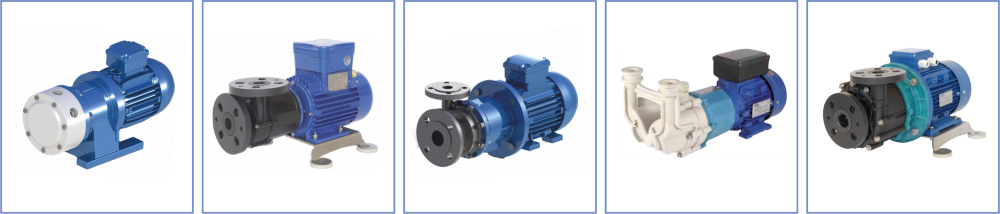


Chemical Injection Pumps & Skids
Chemical injection pumps deliver a controlled quantity of chemical into a pressurised pipeline, vessel or process system. They are used where injection rate, repeatability, pressure capability and chemical containment are critical.
AxFlow supplies chemical injection pumps and engineered injection skids for oil and gas, petrochemical, water treatment, power generation and industrial processing. Available technologies include hydraulic diaphragm metering pumps, plunger pumps, multi-diaphragm pumps and high-pressure reciprocating pumps.
This page focuses specifically on accurate and high-pressure chemical injection. For bulk transfer, circulation and general handling of corrosive or toxic liquids, visit our Chemical Pumps page.
What Is a Chemical Injection Pump?
A chemical injection pump is usually a positive displacement pump designed to introduce a measured flow of chemical into a process.
Unlike a general chemical transfer pump, which may move large quantities of liquid between tanks, an injection pump is selected to deliver a controlled rate against the pressure at the injection point.
Typical duties range from low-flow precision metering to high-pressure injection into oil pipelines, process vessels and water-treatment systems.
Chemical Injection, Dosing and Metering: What Is the Difference?
These terms are related but not identical:
- Chemical injection describes the application: introducing a chemical into a process, often against pressure.
- Dosing describes the controlled addition of chemical and is commonly used in water treatment and industrial processing.
- Metering describes the pump’s ability to provide measurable, repeatable and adjustable flow.
A controlled-volume metering pump is often used for chemical injection, but some higher-flow or extreme-pressure injection duties may require a different reciprocating positive displacement pump.
API 675 covers controlled-volume positive displacement pumps for petroleum, chemical and gas-industry services, while API 674 applies to larger reciprocating positive displacement pumps.
How Does a Chemical Injection Pump Work?
Most chemical injection pumps use a reciprocating diaphragm, plunger or piston.
During the suction stroke, the pumping element creates additional volume within the liquid chamber and draws chemical through an inlet check valve. During the discharge stroke, the volume decreases and the chemical is forced through the discharge check valve into the process.
Flow may be adjusted by changing:
- Stroke length
- Stroke frequency
- Pump speed
- The number of operating pump heads
- An automated control signal
Reciprocating metering pumps naturally produce pulsating flow. Suction and discharge pipework, valves and accessories must therefore be designed as part of the complete injection system. Hydraulic Institute guidance identifies backpressure valves, safety relief valves, pulsation dampeners, calibration columns, flowmeters and injection quills among the common accessories used with controlled-volume metering pumps.
Why Use a Chemical Injection Pump?
Correctly selected chemical injection pumps provide:
- Accurate and repeatable chemical delivery
- Adjustable flow for changing process demand
- Injection against high or variable process pressure
- Materials suitable for aggressive treatment chemicals
- Remote or automatic process control
- Duty and standby configurations for critical applications
- Integration into complete chemical injection packages
- Reduced risk of underdosing, overdosing and chemical waste
The required accuracy must be defined for the actual operating range. Published pump accuracy depends on correct calibration, stable suction conditions, suitable backpressure and installation within the manufacturer’s operating limits.
Chemical Injection Pump Applications
Chemical injection pumps are used wherever a controlled quantity of chemical must be introduced into a process, pipeline or vessel.
- Oil & Gas: Used for corrosion inhibitors, scale inhibitors, methanol, MEG, demulsifiers, biocides and other production chemicals, often at high pressure.
- Water & Wastewater Treatment: Used for chlorination, pH correction, coagulants, polymers, antiscalants and dechlorination where accurate chemical addition is required.
- Chemical & Petrochemical Processing: Used for controlled injection of catalysts, additives, inhibitors, reactants and process chemicals to maintain product quality and process stability.
- Power Generation: Used for boiler-water, cooling-water and condensate treatment, including pH control, oxygen scavenging and corrosion prevention.
- General Industrial Dosing: Suitable for controlled addition of lubricants, dyes, fragrances, treatment chemicals and process additives across a wide range of manufacturing applications.
Which Chemical Injection Pump Technology Is Best?
| Pump technology | Best suited to | Main consideration |
| Hydraulic diaphragm metering pump | Corrosive, toxic or hazardous chemicals requiring accurate injection and strong containment | Diaphragm monitoring and hydraulic-system maintenance |
| Mechanical diaphragm pump | Lower-pressure, general chemical dosing | More limited pressure capability than hydraulic diaphragm designs |
| Plunger metering pump | Clean chemicals requiring high pressure and accurate flow | Dynamic packing can require adjustment and may permit controlled leakage |
| Multi-diaphragm pump | High-pressure injection requiring sealless product containment and relatively smooth flow | Speed, valve design and suction conditions must suit the liquid |
| API 674 piston or plunger pump | Higher-flow, very-high-pressure process injection | Usually selected for severe process duties rather than small precision doses |
| Multiplex metering pump | Multiple chemicals, injection points or reduced pulsation | Each head and control range must be matched to the required duty |
How to Choose a Chemical Injection Pump
Start by defining the required injection rate and maximum pressure at the injection point.
Then consider:
- Flow and turndown – Confirm the minimum, normal and maximum injection rate.
- Discharge pressure – Include process pressure, pipe losses and injection-device pressure drop.
- Chemical properties – Check concentration, viscosity, temperature, vapour pressure, solids and crystallisation risk.
- Accuracy and control – Define repeatability, control signal and flow-verification requirements.
- Suction conditions – Review tank level, suction lift, pipe diameter and whether the liquid releases gas.
- Containment – Select the diaphragm, plunger, seals and monitoring arrangement to suit the chemical hazard.
- Standards and location – Confirm API 675, API 674, ATEX, offshore or site-specific requirements.
- Reliability – Decide whether duty and standby pumps, automatic changeover or redundant instruments are required.
Chemical compatibility should be verified for every wetted component, but detailed selection of pumps for bulk corrosive-liquid transfer belongs on the main Chemical Pumps page.
Why buy Chemical Injection Pumps from AxFlow?
AxFlow supplies chemical injection pumps and complete packaged systems for standard dosing through to high-pressure offshore and petrochemical duties.
Our engineers can support:
- Injection-pump sizing and technology selection
- API 675 and API 674 applications
- Hydraulic diaphragm and plunger pump selection
- Chemical compatibility
- Injection skid design
- Duty and standby arrangements
- Pulsation, backpressure and relief-valve requirements
- Controls and instrumentation
- Offshore and hazardous-area projects
- Installation, commissioning and testing
- Pump repair and genuine spare parts
By assessing the complete injection system, AxFlow can recommend a pump and skid arrangement focused on dosing accuracy, containment, reliability and whole-life operating cost.
Frequently Asked Questions
What is a chemical injection pump?
A chemical injection pump delivers a controlled quantity of chemical into a pressurised process, pipeline or vessel. It is commonly a diaphragm or plunger positive displacement pump.
What is the difference between a chemical injection pump and a chemical transfer pump?
A chemical injection pump provides controlled, often low-volume flow against process pressure. A chemical transfer pump normally moves larger quantities of liquid between tanks or process stages.
What is the difference between dosing and chemical injection?
Dosing is the controlled addition of chemical. Chemical injection usually refers to adding that chemical directly into a pipeline or process, often at elevated pressure.
Which pump is best for high-pressure chemical injection?
Hydraulic diaphragm and plunger metering pumps are commonly used. A diaphragm pump provides stronger process-liquid containment, while a plunger pump can provide high pressure for clean, compatible chemicals. Larger API 674 pumps may suit more severe high-flow duties.
What is an API 675 pump?
An API 675 pump is a controlled-volume positive displacement pump designed for petroleum, chemical and gas-industry services in accordance with the requirements of API Standard 675. (api.org)
What is included in a chemical injection skid?
A skid may include storage, duty and standby pumps, calibration equipment, pressure protection, pulsation control, flow measurement, valves, instrumentation and a control panel. The exact scope depends on the project.