




Pump Solutions for Cryogenic Liquids
Cryogenic liquids present some of the most demanding pumping applications in industry. Stored at temperatures below -150°C, these liquefied gases have low viscosity, poor lubricating properties and are often close to their boiling point, making reliable pump selection essential.
AxFlow supplies specialist cryogenic pump solutions for transferring liquid nitrogen (LIN), liquid oxygen (LOX), liquid argon (LAR), liquid hydrogen (LH₂), liquefied natural gas (LNG), liquid methane and other cryogenic fluids. Our engineers specify pump technologies that provide safe containment, reliable performance and long service life under extreme operating conditions.
Our UK and International team at AxFlow are experts in such fluids with over 30 years experience in the field.

What Are Cryogenic Liquids?
Cryogenic liquids are gases that have been cooled below their boiling point until they become liquids. They are typically stored and transferred at temperatures below -150°C, although some common cryogens operate at significantly lower temperatures.
Typical cryogenic liquids include:
- Liquid nitrogen (LIN)
- Liquid oxygen (LOX)
- Liquid hydrogen (LH₂)
- Liquid helium
- Liquid argon (LAR)
- Liquefied natural gas (LNG)
- Liquid methane
These fluids are widely used across the industrial gas, energy, pharmaceutical, food processing, healthcare and scientific research sectors.
Best Pump Technologies for Cryogenic Liquids
The most suitable cryogenic pump depends on the fluid, operating conditions and process requirements.
Magnetic Drive Pumps
Magnetic drive pumps provide fully sealed, leak-free operation by eliminating mechanical shaft seals. They are widely used where process safety, environmental protection and product containment are critical.
Typical applications include:
- Liquid nitrogen
- Liquid oxygen
- LNG
- Liquid hydrogen
- Industrial gases
Canned Motor Pumps
Canned motor pumps combine the motor and pump within a hermetically sealed enclosure, eliminating dynamic seals while providing excellent reliability for continuous cryogenic service.
They are commonly selected for industrial gas production, LNG facilities and chemical processing.
Cryogenic Centrifugal Pumps
Cryogenic centrifugal pumps provide efficient transfer of clean cryogenic liquids where high flow rates are required and are widely used within LNG terminals, air separation plants and industrial gas production.
Axial Flow Pumps
Where exceptionally high flow rates and low NPSH requirements are important, axial flow pumps provide efficient bulk transfer of cryogenic liquids.
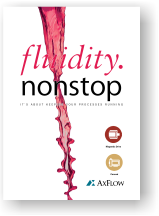
Please see our Mag Drive & Canned Pumps catalogue...
Why Are Cryogenic Liquids Difficult to Pump?
Cryogenic fluids behave very differently from liquids at ambient temperature, creating several engineering challenges.
Key considerations include:
- Extremely low temperatures that require specialised materials resistant to thermal contraction and embrittlement.
- Low viscosity and poor lubricity, increasing wear in unsuitable pump designs.
- Limited NPSH available, increasing the risk of cavitation and vapour formation.
- Boil-off and flashing, where small heat gains can cause the liquid to vaporise.
- Leak prevention, as escaping cryogenic liquids rapidly expand into gas and may create safety or environmental risks.
Successful cryogenic pumping requires both the correct pump technology and careful consideration of the complete system design.
How to Choose a Pump for Cryogenic Liquids
Selecting a cryogenic pump requires more than simply considering flow rate.
Engineers should evaluate:
- Cryogenic fluid type
- Operating temperature
- Flow rate
- Differential pressure
- NPSH available
- Vapour pressure
- Material compatibility
- Seal or sealless design
- Safety and containment requirements
AxFlow's application engineers evaluate the complete pumping duty to recommend the most suitable cryogenic pump technology for reliable, efficient and safe operation.


