Chemical Dosing Pumps
AxFlow GB has a comprehensive range of chemcial dosing pumps.
Chemical dosing pumps are used to deliver controlled volumes of liquid in applications where reliable fluid addition is essential to process performance. They are widely used across industrial, water treatment, pharmaceutical, agricultural and chemical processes, where consistent dosing helps maintain product quality, process efficiency and operational control.
What Are Chemical Dosing Pumps?
Chemical dosing pumps are designed to accurately dispense a specific volume of liquid, or more precisely a chemical substance, over a period of time. They are used wherever fluid flow needs to be controlled for the addition of chemicals, acids, disinfectants or other process additives.
Chemical Dosing Pumps for Industrial and Process Applications
Chemical dosing pumps are suitable for a wide range of duties, from general industrial chemical addition through to water treatment and process manufacturing. Because dosing requirements vary from one application to another, pump selection depends on the liquid being handled, the required flow rate, the operating pressure and the level of control needed. A broad pump range makes it possible to match the right dosing technology to the duty.
A Wide Choice of Chemical Dosing Pump Types
Chemical dosing can be achieved using a number of pump technologies. The page includes AODD pumps, diaphragm pumps, tube pumps, hose pumps, lobe pumps, gear pumps, eccentric disc pumps and vane pumps, giving users a wide choice for different fluids and process conditions. This allows dosing systems to be tailored to both the chemical properties of the liquid and the practical demands of the installation.
Why Choose AxFlow for Chemical Dosing Pumps?
AxFlow brings more than 50 years of dosing pump experience and a long background in positive displacement pump technologies. With a large choice of dosing pump types and support from five regional technical centres across the UK, the range is designed to help users find the right pump for the application rather than forcing one technology into every duty.
From low flow chemical feed to higher volume dosing duties, AxFlow offers chemical dosing pumps for a wide variety of industrial applications. With technologies including hose pumps, tube pumps, diaphragm pumps, AODD pumps, rotary pumps and low flow metering pumps, the range supports accurate and reliable chemical dosing across demanding process environments.
Peristaltic and Hose Dosing Pumps
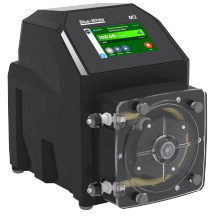
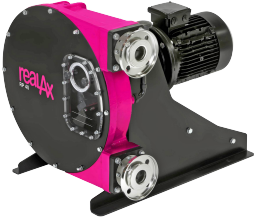
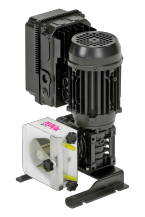
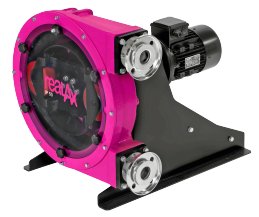
Peristaltic, tube and hose pumps are well suited to chemical dosing duties where simple operation, containment and compatibility with a wide range of chemicals are important. Available series on the page include the Blue-White Flex-Pro Compact, the Realax APY Series tube pump and the Realax RP and IP Series hose pumps, covering applications from low flow dosing through to higher flow transfer duties.
Diaphragm Dosing Pumps
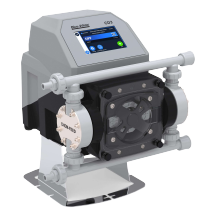
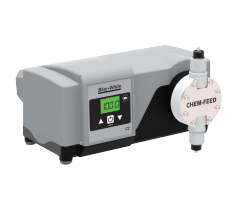
Diaphragm dosing pumps are a dependable option where accurate chemical feed is required. The page includes the Blue-White Chem-Feed CD Series and the Blue-White Chem-Pro range, both aimed at accurate chemical feed duties, including operation against higher pressures. These pump types are commonly selected where repeatable dosing and chemical compatibility are important.
AODD and Rotary Pump Options for Chemical Dosing
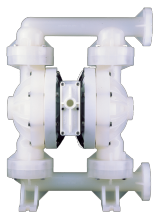
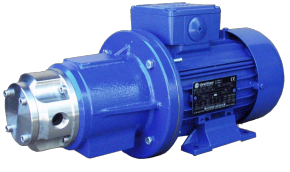
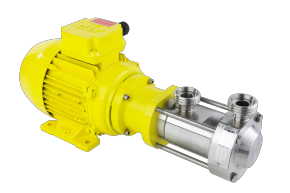
For applications that benefit from different pump characteristics, chemical dosing solutions can also include AODD pumps, rotary vane pumps, gear pumps and eccentric disc pumps. The range shown on the page includes Wilden bolted plastic AODD pumps, stainless steel magnetic drive rotary vane pumps from Gruppo Aturia, and low flow metering options such as the Mouvex Micro C Series. This gives greater flexibility across low flow, pulseless flow and chemically resistant dosing duties.
Chemical Dosing Pumps and Metering Pumps
Where long-term dosing accuracy is especially important, metering pumps may also be considered. The page links chemical dosing pumps with a separate metering pump range for duties where accuracy over time is critical, helping distinguish between general dosing applications and more exact metering requirements.