Self Priming Centrifugal Pumps
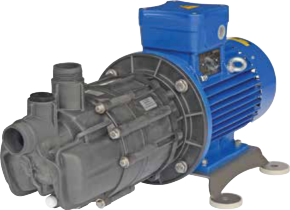
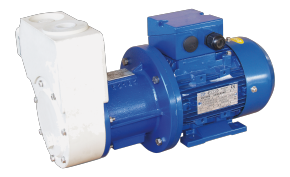
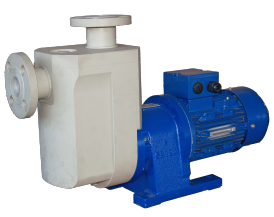
AxFlow UK have several ranges of self priming centrifugal pumps
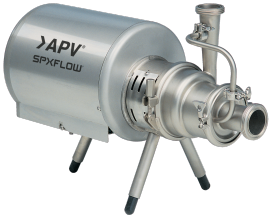
AxFlow UK offer both plastic and stainless steel self pring centrifugal pumps idea for chemical tansfer and hygienic applications.
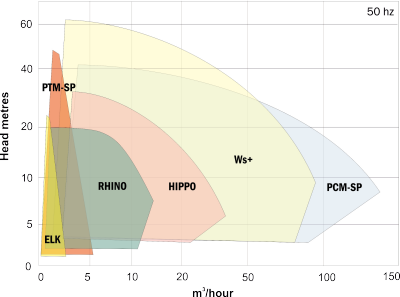

Self-Priming Centrifugal Pumps
Self-priming centrifugal pumps are designed to automatically remove air from the suction line and prime themselves without external assistance.
Unlike standard centrifugal pumps, which must be manually primed before operation, self-priming models can lift fluid from below the pump inlet and begin pumping even when the suction line is initially dry.
This makes them ideal for applications where the pump is located above the fluid source, such as in wastewater handling, dewatering, irrigation, chemical transfer, and tanker unloading.
How They Work
Self-priming centrifugal pumps combine the principles of centrifugal pumping and air separation.
1. Initial Priming
Before first use, the pump casing is filled with liquid (typically the process fluid). This liquid remains in the casing after shutdown, ready to assist in future priming cycles.
2. Air and Liquid Mixture
When the pump starts and suction piping is full of air, the impeller agitates the retained liquid, creating a liquid-air mixture.
3. Air Separation and Discharge
The centrifugal action forces the heavier liquid outward and the lighter air inward toward the pump’s center.
-
The air is expelled through the discharge port.
-
The liquid recirculates within the pump casing, continuously mixing with incoming air.
This cycle repeats until all air is removed from the suction line. Once a continuous liquid column reaches the impeller, the pump achieves full prime and operates as a conventional centrifugal pump.
4. Automatic Re-Priming
When the pump stops, enough liquid remains in the casing to enable automatic re-priming the next time it starts — even if the suction line has drained.
Key Design Features
-
Large priming chamber (reservoir): Stores liquid to assist with the priming process.
-
Special air-handling impeller and volute design: Facilitates separation of air and liquid.
-
Check valve or flap valve: Prevents liquid from draining out of the casing after shutdown.
-
Seal and bearing protection: Prevents dry running damage during priming cycles.
Advantages
-
Automatic priming and re-priming – no external vacuum pumps required.
-
Handles fluids with entrained air or gas.
-
Reliable suction lift capability – typically up to 7–8 metres depending on conditions.
-
Fast, simple startup and reduced maintenance.
-
Capable of continuous or intermittent operation.
Limitations
-
Lower efficiency than conventional centrifugal pumps (due to larger casing volume).
-
Requires an initial fill of liquid before first start-up.
-
Not suitable for high-head, high-pressure duties.
-
Sensitive to extended dry running if casing liquid evaporates.
Typical Applications
-
Wastewater and sewage handling
-
Dewatering and sump drainage
-
Chemical and solvent transfer
-
Agricultural irrigation and fertiliser dosing
-
Marine bilge and ballast systems
-
Tanker and fuel unloading
Maintenance Tips
-
Check liquid level in the priming chamber before startup.
-
Inspect flap or check valves regularly to ensure proper sealing.
-
Monitor seals and bearings for wear—priming cycles can cause brief dry-running periods.
-
Flush the pump casing after handling solids or corrosive fluids to prevent residue buildup.
-
Operate near design flow to maintain efficiency and reduce vibration